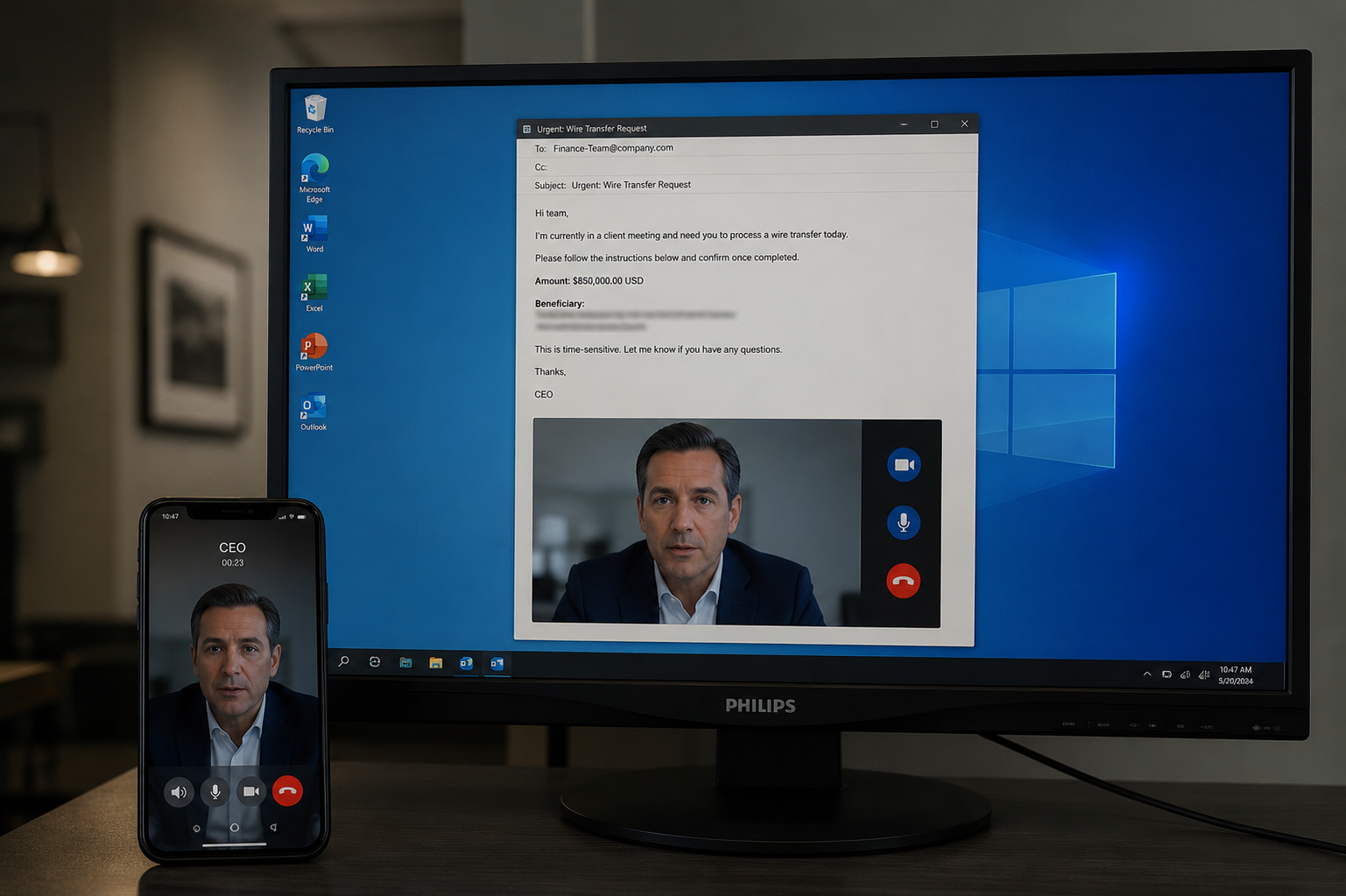
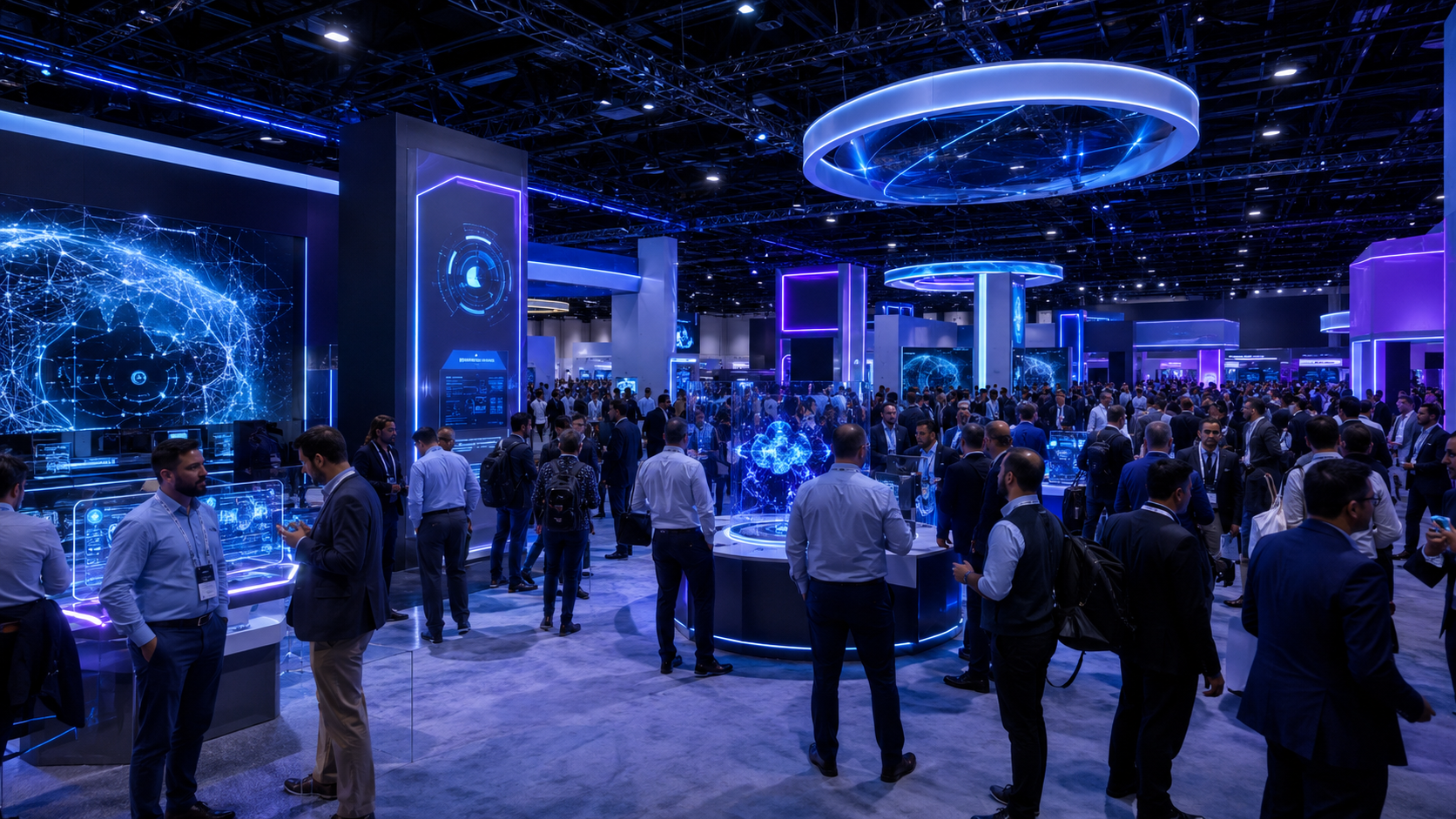
Black Hat USA 2026 enters one of its most strategic phases this Tuesday (August 4) in Las Vegas. Following several days of intensive technical training, the conference shifts its focus toward cybersecurity strategy, governance and emerging trends that are expected to shape the industry in the coming years. The highlight of the day is Summit Day, accompanied by the official opening of the Business Hall, where hundreds of vendors, live demonstrations and networking opportunities bring together the global cybersecurity community.
Six dedicated summits explore the challenges of modern cybersecurity
This year's Summit Day features six independent programs, each designed to address a specific segment of the cybersecurity industry. The goal is to provide deeper discussions that go beyond the traditional conference tracks.
The agenda includes medical device security and healthcare data protection, CISO leadership and governance, risks surrounding Artificial Intelligence, emerging threats targeting financial institutions, cybersecurity innovation and investment, and global market trends presented by leading industry analysts.
Although each summit targets a different audience, they all reinforce the same message: cybersecurity is no longer viewed solely as a technical discipline. It has become a business priority that directly influences organizational resilience, risk management and strategic decision making.
Artificial Intelligence takes center stage
Among all sessions, the AI Summit attracts significant attention from both security leaders and technical professionals. Rather than focusing only on AI adoption, discussions concentrate on the security implications of deploying generative AI models and autonomous agents across enterprise environments.
Topics include model protection, prompt manipulation, sensitive data exposure, attacks against AI agents and governance frameworks designed to reduce operational risk. The maturity of these discussions reflects a growing industry consensus that Artificial Intelligence has become part of the enterprise attack surface.
As organizations increasingly integrate AI into business operations, security teams are expected to develop new validation methodologies, continuous monitoring capabilities and offensive security assessments capable of identifying weaknesses before threat actors exploit them.
National cybersecurity strategy receives significant attention
One of the day's most anticipated sessions is the Opening Session titled Cyber Power in the Age of AI, featuring senior representatives from the White House, CISA, the FBI and the U.S. Department of Defense.
The discussion focuses on how the United States is adapting its national cybersecurity strategy to address the rapid advancement of Artificial Intelligence, covering topics such as critical infrastructure protection, incident response, public-private collaboration and the evolution of cybersecurity policy.
The participation of multiple federal agencies reinforces the growing importance of cybersecurity as a strategic issue extending beyond technology into economic resilience and national security.
Business Hall connects innovation with the cybersecurity market
The official opening of the Business Hall brings together more than 400 exhibitors, ranging from global cybersecurity vendors and innovative startups to open source communities and specialized solution providers.
Beyond product showcases, attendees have the opportunity to evaluate technologies through live demonstrations, engage directly with researchers and participate in Arsenal Labs presentations, which feature practical demonstrations of open source security tools widely used by offensive and defensive security teams.
The Cyber District also highlights emerging technologies focused on detection, incident response, automation and enterprise cyber resilience.
Networking remains a key part of the conference experience
Throughout the day, several community and vendor-sponsored events provide opportunities for CISOs, researchers and security practitioners to exchange experiences, discuss operational challenges and build professional relationships.
These events include executive networking sessions, AI-focused security panels, the official Black Hat Welcome Reception and industry-sponsored evening gatherings that encourage collaboration across different sectors of the cybersecurity community.
What to expect during the upcoming Briefings
With Summit Day completed, attention now shifts to the highly anticipated Briefings scheduled for August 5 and 6. These sessions traditionally showcase peer-reviewed research covering AI agent exploitation, post-quantum cryptography, supply chain attacks, detection engineering, enterprise vulnerabilities and emerging offensive techniques.
Historically, many of the research findings presented during the Briefings influence future security tools, defensive strategies and offensive testing methodologies adopted throughout the cybersecurity industry.
What this means for organizations
The fourth day of Black Hat USA 2026 reinforces a trend consistently observed across major international cybersecurity conferences: Artificial Intelligence, governance and continuous security validation are no longer independent topics. They now represent interconnected components of an organization's overall cybersecurity strategy.
For enterprises, deploying new security technologies alone is not enough to reduce cyber risk. Organizations must continuously validate whether existing security controls can withstand modern attack techniques, particularly as AI, automation and critical digital services become integral parts of business operations.
At Antisec, this validation is achieved through Red Team engagements, penetration testing, application security assessments, Purple Team exercises and virtual CISO services. The objective is to provide organizations with practical insight into how vulnerabilities can be exploited and which security controls effectively strengthen operational resilience.