
The Authentication Collapse: CVE-2026-41940
The global hosting ecosystem is facing one of its most severe crises with the confirmation of mass exploitation of CVE-2026-41940. This vulnerability in cPanel & WHM, with a CVSS score of 9.8, allows attackers to completely bypass authentication and take full administrative control of exposed servers. Estimates indicate that approximately 1.5 million instances are vulnerable by default, serving as a gateway for intrusions without the need for a single password.
What makes this scenario alarming is that the flaw has been exploited as a zero-day since February 2026, months before official patches were available. Threat groups identified that the cpsrvd daemon fails to process malformed HTTP headers, allowing a direct escalation to root privileges. The immediate inclusion of this vulnerability in CISA's KEV catalog confirms the urgency for system administrators worldwide.
What Has Changed in the Threat Landscape
We are no longer dealing with just random intrusions. We are observing a dangerous convergence: while critical vulnerabilities like the one in cPanel bring down technical infrastructure, the abuse of identities via OAuth brings down Software as a Service (SaaS). Threat groups such as UNC6040 and Scattered Spider have abandoned traditional brute force to focus on delegated trust vectors. The core problem has shifted from password strength to session and token integrity.
How the Attack Happens in Practice
Vector 1: CRLF Injection in cPanel
The technical exploitation utilizes a CRLF (Carriage Return Line Feed) injection technique in the session management flow. The attacker manipulates the whostmgrsession cookie by inserting %0D%0A sequences. When the server processes this request, it writes unsanitized data to the /var/cpanel/sessions/ directory. By injecting attributes such as user=root and tfa_verified=1 directly into the pre-authenticated session file, the system is tricked into believing the user has already passed MFA and possesses maximum privileges. A simple page reload grants full access to the WHM.
Vector 2: Token Hijacking in Salesforce
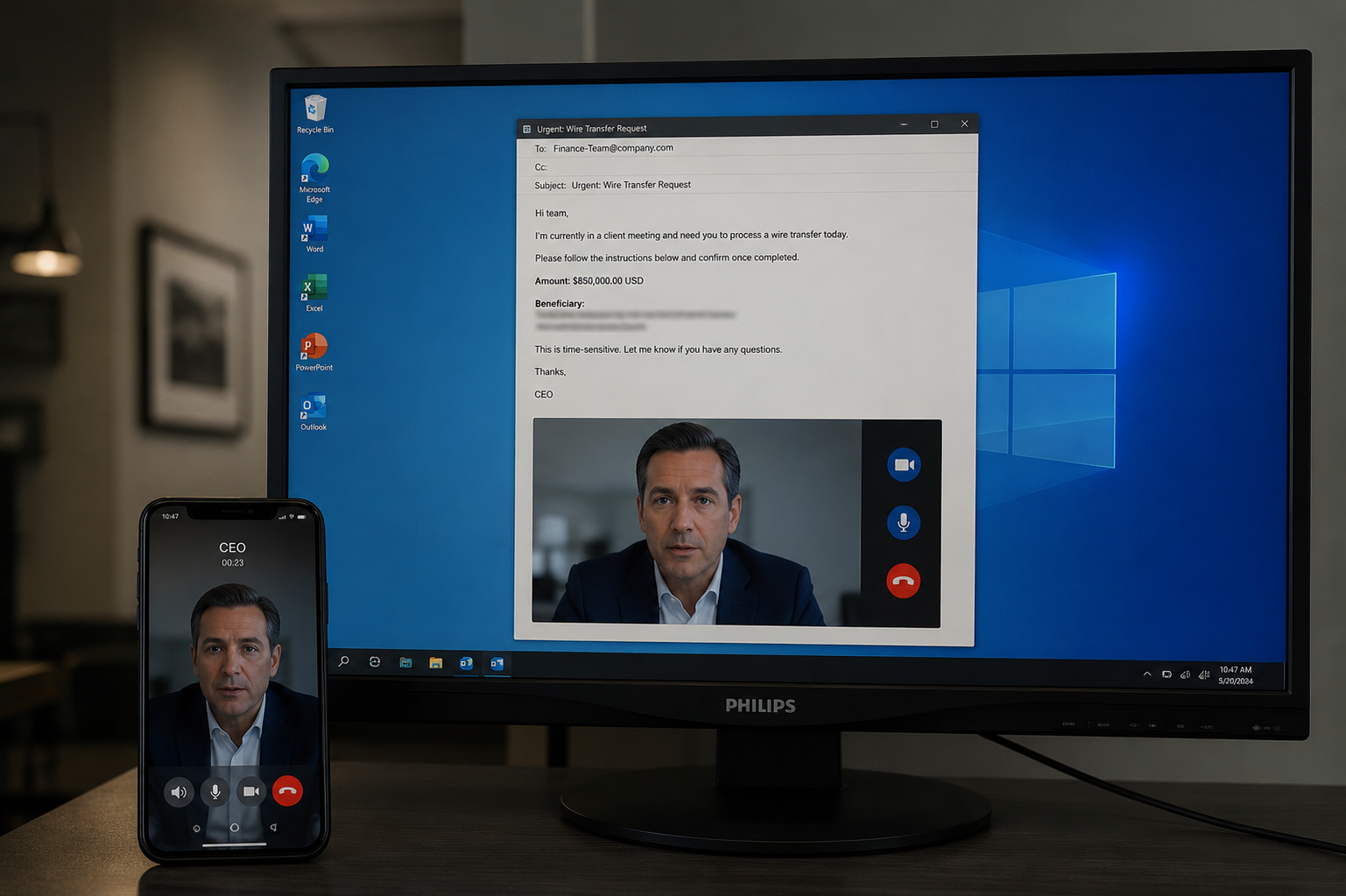
Parallel to this, in SaaS platforms like Salesforce, the attack occurs via tactical social engineering. Through OSINT on LinkedIn, attackers identify financial analysts with privileged access. The attack starts with Vishing (voice phishing), where the criminal poses as IT support to induce the victim into authorizing a fraudulent Connected App. Once the user clicks approve, the attacker receives a persistent refresh_token. Using the Bulk API, it is possible to dump 50,000 records per minute, exfiltrating entire databases of customers and contracts without triggering geographic login alerts.
Impact on Businesses
The consequences are devastating and multidimensional. In cPanel, the compromise is at the root level, meaning all domains, emails, and databases hosted on the server are under the attacker's control. In Salesforce, the exfiltration of sensitive data can lead to heavy GDPR fines, such as the Free Mobile case which resulted in a 42 million euro sanction. Beyond direct financial loss, the reputational damage in incidents involving brands like Toyota and Adidas in 2025 demonstrates that no one is immune to token abuse and session flaws.
How to Defend (Practical Measures)
- Critical Patching: Update cPanel & WHM to versions 11.94, 11.102 or higher immediately. Check session directory integrity for artifacts like
token_denied. - Connected App Control: In Salesforce, go to Setup > Connected Apps > Block and restrict permissions only to apps with verified publishers.
- Phishing-Resistant MFA: Replace SMS or TOTP-based methods with FIDO2 keys or YubiKeys. This prevents social engineering proxies from capturing the second factor in real-time.
- API Monitoring: Implement alerts for anomalous volumes in the Bulk API. Any extraction above 10,000 records from external IPs should be automatically blocked.
Antisec View
In our Red Team operations, we simulate these scenarios, and the result is almost always the same: the lack of visibility over active OAuth tokens is the biggest blind spot for companies today. We have already demonstrated in controlled tests that after obtaining an access token, we can pivot to Okta and M365 environments in less than 30 minutes. The detection time for this type of attack often exceeds 15 days, an interval sufficient for the company's entire commercial intelligence to be stolen.
Conclusion
The existence of a public exploit for CVE-2026-41940 and the ease of OAuth abuse prove that the traditional security perimeter is insufficient. Trust cannot be implicit. If your infrastructure does not undergo frequent surface audits and identity-focused penetration tests, you are operating under an invisible but very real risk.
Don't wait for your data dump to appear on leak forums. Contact Antisec for a technical assessment of your attack surface and validate your defenses against next-generation exploits.