
Marks & Spencer has canceled annual bonuses for approximately 63,000 employees after suffering one of the most expensive cyber incidents ever reported in the UK retail sector. The case demonstrates that modern cyberattacks no longer impact only IT infrastructure. They directly affect revenue, operations, shareholders, and corporate governance.
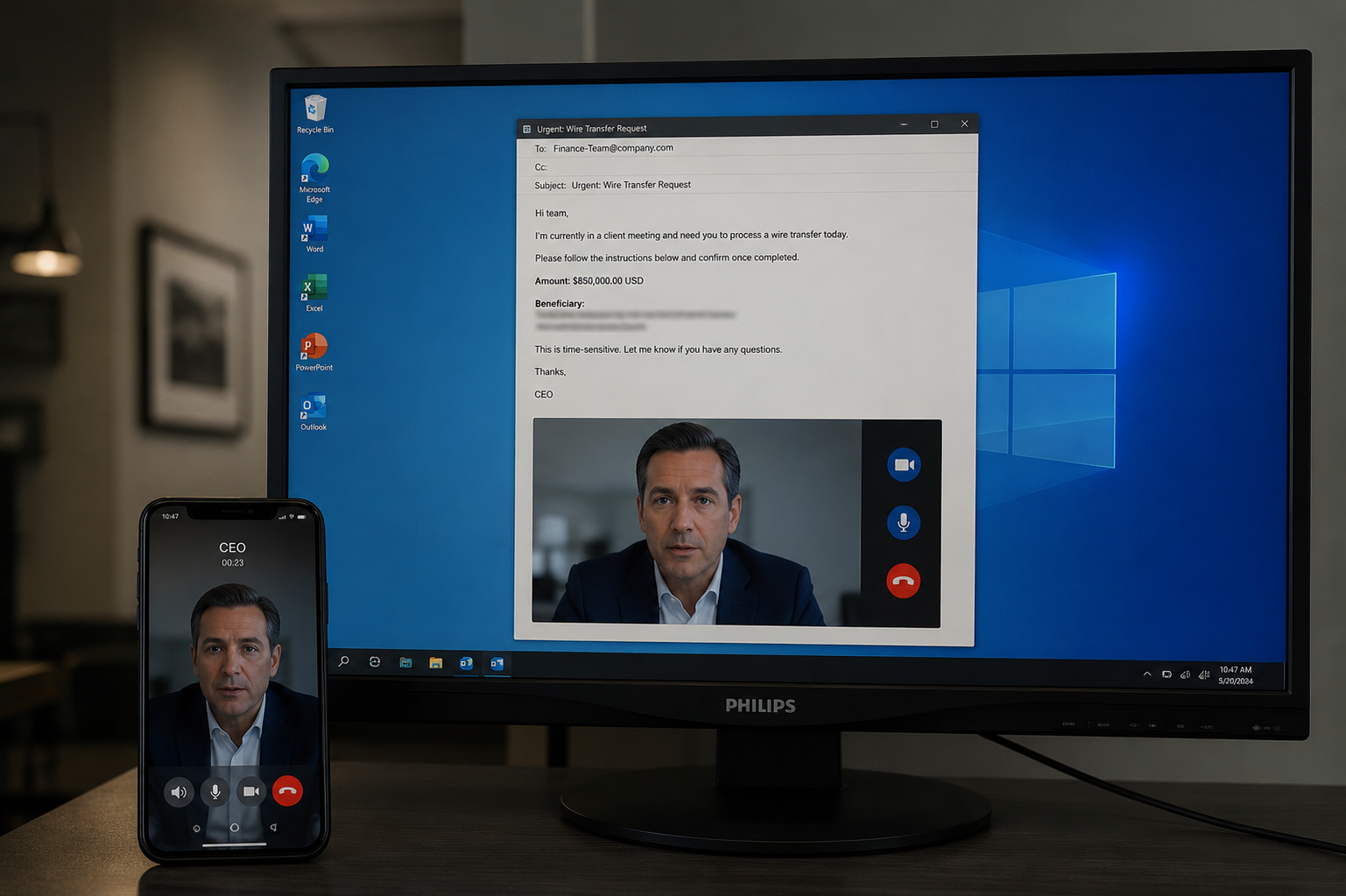
The attack occurred during Easter weekend in 2025. According to public statements released by the company, attackers gained access through a third-party supplier using social engineering techniques. The initial vector apparently did not rely on zero-day exploitation. The most likely scenario involved identity compromise, abuse of operational trust relationships, and lateral movement across critical systems.
The operational impact was severe. M&S online operations remained heavily disrupted for nearly seven weeks. Internal systems, backend infrastructure, and components related to the Sparks loyalty platform became unavailable. In large-scale retail environments, this translates directly into broken logistics chains, failed orders, operational delays, and immediate revenue disruption.
The financial impact was significant:
- £131.3 million in direct recovery costs
- £300 million reduction in profits
- More than £1 billion erased from market value
- 23.8% annual profit decline
- Complete cancellation of the corporate bonus program
The incident quickly evolved from a technical breach into a corporate governance and operational resilience problem.
The detail that should concern every CISO
The most important aspect of this case is not the financial damage. It is the initial access vector.
The compromise reportedly originated through a connected third-party supplier. This scenario appears constantly during real-world Red Team operations. Organizations invest heavily in EDR, hardening, firewalls, and monitoring, while still maintaining privileged third-party access without continuous security validation.
Attackers actively search for these operational weak points.
During offensive security assessments performed by Antisec, common findings include:
- Third-party VPN access without effective MFA
- Credential reuse across vendors
- Persistent administrative accounts
- Exposed integrations between ERP, CRM, and cloud environments
- Support accounts without password rotation
- Poor segmentation between critical systems
Once attackers obtain initial access, the objective is rarely limited to the compromised vendor itself. The real target is the internal environment.
The operational problem is often bigger than the technical one
Many organizations still measure security maturity based only on the number of deployed tools. The M&S case demonstrates a different reality.
Even mature enterprises can experience operational collapse when they lack:
- Real containment procedures
- Fast isolation capabilities
- Reliable asset inventory
- Proper segmentation
- Critical dependency mapping
- Executable incident playbooks
- Validated recovery procedures
In many incidents, downtime does not happen because the malware is particularly advanced. Delays happen because the organization cannot rapidly understand its own environment.
During ransomware or hybrid intrusion scenarios, this often leads to:
- Mass preventive shutdowns
- Critical system outages
- Logistics disruption
- Financial operations interruption
- E-commerce downtime
- Immediate revenue impact
The technical breach itself is often only part of the damage.
When cyber losses affect the workforce
The cancellation of bonuses highlights a growing shift in how companies absorb cyberattack-related losses.
Historically, cyber incidents were isolated within IT departments. Today, boards and shareholders increasingly treat cybersecurity as a financial and operational risk.
This fundamentally changes the pressure placed on security leadership.
CISOs are now expected to answer not only for technical protection, but also for operational continuity, financial impact, reputational exposure, and recovery capabilities.
In sectors such as retail, finance, and healthcare, downtime itself has become as critical as data exposure.
The Brazilian market faces similar exposure
In Brazil, many organizations still maintain overly permissive relationships with suppliers and operational partners.
Common issues include:
- Permanent third-party administrative access
- Poorly segmented cloud environments
- Lack of privilege reviews
- Operational dependency on fragile integrations
- Absence of offensive testing focused on supply chain compromise
These weaknesses rarely appear during superficial audits.
They appear during real attacks or offensive security exercises focused on operational compromise.
What mature organizations are doing differently
More mature companies increasingly treat suppliers as direct extensions of the attack surface.
This includes:
- Continuous third-party security validation
- Supply chain-focused Red Team operations
- Targeted phishing simulations
- Strong segmentation between vendors and critical systems
- Identity and privilege monitoring
- Ransomware simulations
- Operational recovery exercises
The objective is no longer limited to preventing compromise. The focus is reducing operational impact once compromise inevitably occurs.
Conclusion
The Marks & Spencer case demonstrates how a single third-party access vector can create cascading operational consequences.
The most important takeaway is not the financial loss itself. It is the fact that operational disruption extended beyond the technical environment and directly affected employees, shareholders, and strategic corporate decisions.
Mature organizations are no longer asking whether an attack can happen.
The real question is how long the business survives after attackers get inside.